How to Make Money With Other People’s Content (Legally)

Make money with other people’s content sounds too good to be true, and in most cases, it is. Simply reuploading viral videos with minor edits will get your account flagged, your monetization suspended, or hit with copyright strikes. But legitimate ways exist to build sustainable income using others’ content, and understanding the difference between risky shortcuts and safe business models can protect your monetization status.
Before launching any idea, it’s important to understand which AI tools and platforms can actually support your workflow and automation.
The Fair Use Reality: It’s Not a Business Model
Fair use is a legal defense in the US that allows limited use of copyrighted material without permission under specific circumstances. The key word is “defense”—you only invoke it after being accused of infringement. Fair use is not permission to repost and monetize whatever you want.
A highly transformative video with heavy commentary, critique, or analysis using only what’s necessary can qualify as fair use. For example, taking a 30 second clip and providing five minutes of expert analysis adds substantial original value. However, there’s no guarantee. You may still face takedowns, disputes, and monetization holds.
Red Flags That Will Get You Banned
Facebook announced major policy changes in 2025 targeting unoriginal content. Avoid these strategies:
Reuploading full viral videos with minor edits (speed changes, emojis, captions) doesn’t qualify as transformative. Facebook’s algorithms now demote duplicates to favor original creators. Compilations made mostly of other clips with minimal commentary violate Facebook’s monetization policies. Content with TikTok, Instagram, or other third party watermarks signals you didn’t create it. Popular music without clear licensing is a common copyright claim trigger.
Facebook penalizes accounts that repeatedly share unoriginal content by suspending monetization and reducing distribution across all posts. This isn’t just one video getting taken down—your entire account’s reach suffers.
Instead of duplicating content, focus on creating original value-added digital products inspired by research and public information.
The Safe Models That Actually Work
Licensing (Best for Stability)
Pay for the right to use clips and monetize confidently. Jukin Media is a leading platform for user generated content, offering commercially cleared UGC starting at $49. Licensing provides legal documentation proving you have usage rights. Other platforms include Storyful and specialized UGC repositories.
Permission Based UGC
Get explicit written permission from creators and keep records. Contact creators directly via direct message from your official account. Be specific about how you’ll use their content. Get clear written confirmation and document everything in screenshots or spreadsheets. This approach builds goodwill while protecting you legally.
Creative Commons or Public Domain
Use content licensed for commercial reuse. Creative Commons offers six license types—only some allow commercial use. CC BY allows commercial use with proper credit. CC BY-NC prohibits commercial use entirely. Always verify the license before monetizing. Public domain sources like the Internet Archive and Library of Congress offer free content.
True Transformation With Substantial Original Value
Your voice, analysis, or commentary is the product; borrowed clips are only evidence. What makes content transformative: your commentary adds new meaning and isn’t just narration, you use only what’s necessary, viewers don’t feel they can skip the original, and your original content dominates the video.
Examples include business analysis using interview clips, educational content using examples, and reviews offering substantive commentary. Facebook’s 2025 updates emphasize creators must use their real voice and create original, creative work.
Once you validate demand, layering in scalable monetization strategies can dramatically increase profit margins without adding complexity.
Understanding Facebook’s Monetization System
Facebook’s Content Monetization Program rewards creators for quality public content. Meet eligibility requirements: 5,000 followers, 60,000 minutes of video views or 15,000 post engagements in 60 days, and compliance with policies. Payment varies based on engagement, audience location, format, and watch time.
Facebook explicitly states content must be original and avoiding “stitching together clips” or adding watermarks. The platform is testing systems that link duplicate videos back to originals, reducing distribution for copies. Penalties for unoriginal content include temporary monetization suspension, reduced distribution across all content, and permanent suspension for repeated violations.
Building Sustainable Income
Build a page where your original contribution is unmistakable, whether through business analysis, education, or niche commentary. License or get permission for viral footage—treat licensing fees as a cost of doing business, not optional. Treat fair use as a sometimes defense, not a business model. Create genuinely original content whenever possible. Diversify monetization beyond Facebook ads with affiliate marketing, sponsorships, and digital products.
Frequently Asked Questions
Can I repost other people’s videos on Facebook and monetize?
Not safely. Facebook’s 2025 policies target accounts that repeatedly repost without substantial original value. Risk losing monetization and facing copyright claims.
What is fair use?
Fair use is a legal defense (not a right) for uses like commentary or criticism. Courts determine it case by case, and you may face takedowns even if you believe your use qualifies.
How do I get permission to use content?
Contact creators directly specifying how you’ll use their content. Get written confirmation and save documentation. For commercial purposes, consider formal licensing agreements.
What sources offer licensed content I can monetize?
Jukin Media for UGC, Creative Commons for attribution licenses, and public domain archives like the Internet Archive.
Will Facebook detect unlicensed content?
Yes. Facebook uses automated copyright detection similar to YouTube’s Content ID. It detects content even with filters or speed changes. Detection may result in blocked content, transferred monetization, or removal from programs.
Moving Forward
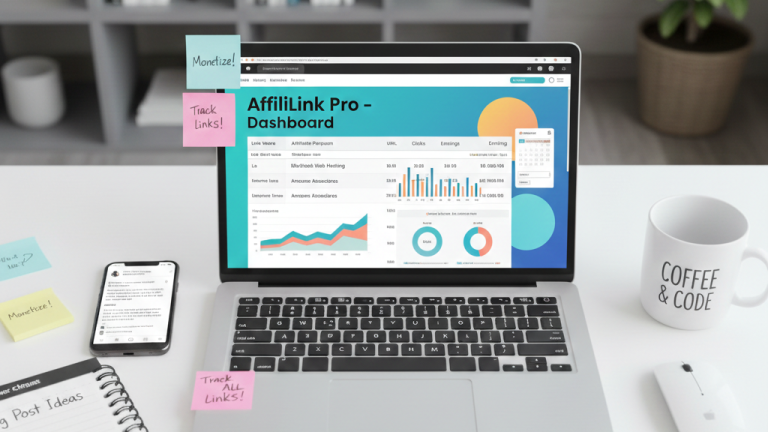
One of the safest and most scalable methods is using affiliate partnerships rather than copying or republishing content directly.
Building monetizable presence using others’ content requires respecting intellectual property, investing in proper licensing or permissions, and adding genuine original value. The difference between success and account suspension comes down to one question: Are you adding real value, or just repackaging someone else’s work?